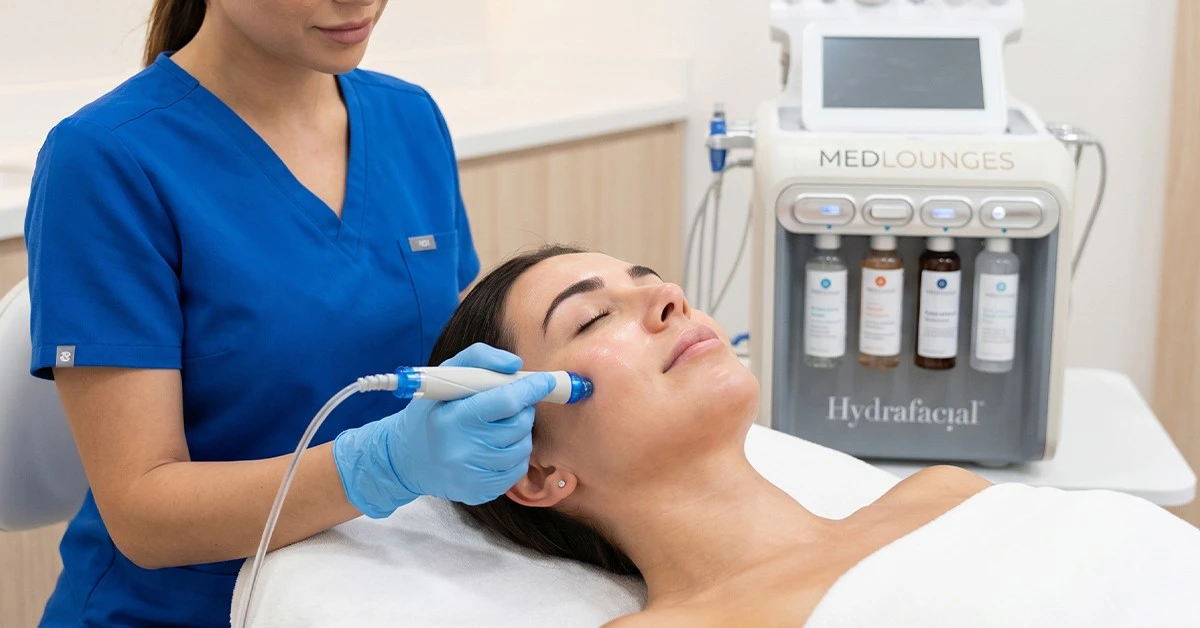
We have all been there. Sitting in the car right after a hydrafacial, skin glowing, pores visibly refined, and wondering how soon you can go back. It is one of those treatments you instantly want more of.
But that instinct, while understandable, is exactly why professional guidance matters. Knowing how often you should get a hjydrafacial is not just about faster results. It is about protecting your skin barrier and ensuring long term skin health.
What works perfectly for one person once a month could cause irritation or simply be unnecessary for another. That is why a personalised consultation with a dermatologist or aesthetic physician is essential, rather than relying on generic advice online.
Understanding What a HydraFacial Does to Your Skin
Before deciding frequency, it is important to understand what happens beneath the surface. A hydrafacial is a multi step treatment that includes:
- Mechanical exfoliation
- Gentle chemical resurfacing
- Vacuum based extraction
- Infusion of hydrating serums such as hyaluronic acid, antioxidants, and peptides
These steps work together to:
- Accelerate skin cell turnover
- Unclog pores and reduce congestion
- Restore hydration and support the skin barrier
During exfoliation, the skin becomes temporarily more permeable, allowing active ingredients to penetrate deeper. This is why results are immediately visible, but also why spacing treatments correctly is critical. Your skin needs time to repair and rebuild its barrier before the next session.
For a broader understanding of how professional skin treatments support skin health, you can refer to guidance from the American Academy of Dermatology.
If you are exploring complementary options, treatments like Facials and Masks can also support skin maintenance between sessions.
Why There Is No Single Answer on HydraFacial Frequency
Dermatologists consider multiple clinical variables before recommending how often you should get a HydraFacial:
1. Normal to Combination Skin
For most people, once every four weeks aligns well with the natural skin renewal cycle of twenty eight to forty days.
This schedule helps maintain:
- Skin radiance
- Smooth texture
- Reduced pore visibility
2. Oily Skin
If you are wondering how often to get a HydraFacial for oily skin:
- Every two to three weeks initially may help manage excess sebum and congestion
- Frequency should reduce once oil balance improves
However, over exfoliation can trigger more oil production due to barrier disruption.
3. Acne Prone Skin
HydraFacial can support mild and non inflammatory acne, but:
- Active or cystic acne requires medical evaluation
- Sessions may need to be spaced out or modified
In such cases, combining treatments like Chemical Peels or Laser and Energy Based Treatments may provide better clinical outcomes.
4. Dry or Sensitive Skin
For dry or barrier compromised skin:
- Every six to eight weeks is usually ideal
- Focus is on hydration and barrier repair, not frequent exfoliation
Too many sessions can lead to redness, irritation, and increased sensitivity.
The Role of Lifestyle and Environment
Your HydraFacial schedule is influenced by more than just skin type:
- Climate and humidity
- Sun exposure
- Stress levels
- Skincare routine
Stress increases cortisol, which weakens the skin barrier and increases oil production. Similarly, if you are already using active ingredients like retinoids, frequent exfoliation may overload the skin.
A dermatologist evaluates all these factors to ensure your treatment plan works with your skin, not against it.
How Many HydraFacials Per Month Are Safe
The most accurate answer:
- One session per month is safe and effective for most people
- Some benefit from every three to four weeks
- Others do better with every six to eight weeks
More frequent treatments do not always lead to better results. Skin requires recovery cycles, and over treatment can compromise long term health.
What Helps Maintain Results Between Sessions
Professional treatments alone are not enough. Maintenance between sessions is critical:
- Daily broad spectrum sunscreen
- Gentle cleansers
- Barrier repair moisturisers
- A nutrient rich diet with antioxidants and omega fatty acids
People who maintain a consistent routine usually see longer lasting results and require fewer treatments.
The Right Interval Starts With the Right Assessment
There is no universal answer to how often you should get a HydraFacial. The ideal frequency depends on:
- Skin type
- Current skin condition
- Lifestyle
- Existing skincare routine
- Treatment goals
This is a clinical decision, not a marketing recommendation.
To begin with a personalised plan, explore Aesthetics and Dermatology services.
Book Your Dermatology Consultation
A consultation is simply a conversation. There is no pressure or obligation. It is an opportunity to understand your skin and explore suitable treatments.
Whether you have been considering it for weeks or years, now is the right time to take the first step.
Book your skin consultation at Medlounges Kochi or Thiruvalla today.
Get in touch or reserve your appointment online and begin your journey towards healthier and balanced skin.
Frequently Asked Questions
How often should you get a HydraFacial?
Most people can consider a HydraFacial every 4 to 6 weeks. The ideal frequency depends on your skin type, concerns, treatment goals, and how your skin responds. A dermatologist or skincare professional can recommend a schedule based on whether you are targeting acne, congestion, dullness, dehydration, or uneven skin texture.
- Treatment frequency varies between individuals.
- Monthly sessions are commonly considered.
- Professional skin assessment helps determine the right schedule.
Can you get a HydraFacial every month?
Yes, HydraFacial can commonly be performed monthly when appropriate for the individual’s skin. Regular treatments can help maintain hydration, improve skin texture, and manage buildup on the skin without requiring significant downtime.
- Monthly treatments may support ongoing skin maintenance.
- Skin sensitivity should be considered.
- Your provider can adjust the frequency when needed.
How long do HydraFacial results last?
HydraFacial results can vary depending on your skin condition and daily skincare routine. Many people notice smoother, hydrated, and brighter-looking skin immediately, but these effects are not permanent and maintenance treatments may be needed.
- Results vary from person to person.
- Consistent skincare can help maintain improvements.
- Sun protection is important after treatment.
Is HydraFacial good for acne-prone skin?
HydraFacial may benefit some acne-prone skin by helping remove surface impurities, excess oil, and clogged pores. However, it is not a cure for acne, and people with active or severe acne may require a dermatologist-recommended treatment plan.
- Can help with congestion and clogged pores.
- Treatment should be customized for sensitive skin.
- Persistent acne may require medical treatment.
What happens if you get HydraFacial regularly?
Regular HydraFacial treatments may help maintain smoother, hydrated, and more refreshed-looking skin. The benefits depend on your skin condition, treatment frequency, and home-care routine, so regular sessions should be planned according to individual needs.
- Supports ongoing skin maintenance.
- May improve the appearance of dull or uneven skin.
- Professional guidance helps avoid unnecessary treatments.