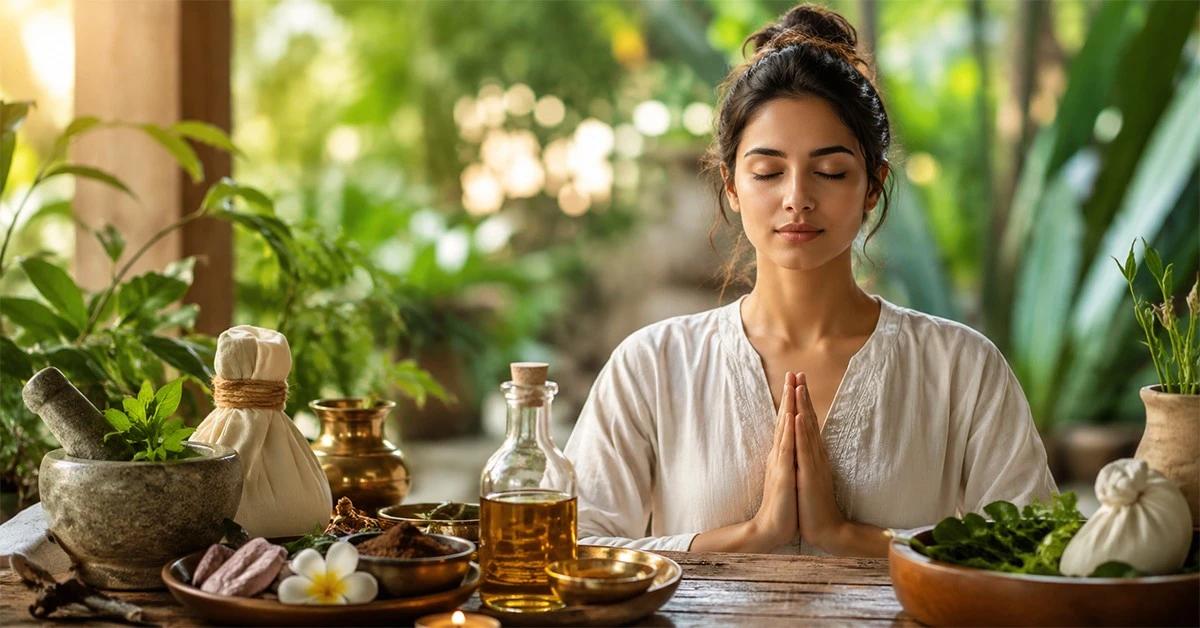
Ayurvedic treatment for stress and anxiety is a holistic approach combining herbal formulations, therapeutic body treatments, and lifestyle practices to calm an overactive nervous system and restore balance. Rather than only managing symptoms, Ayurveda addresses the root imbalance typically excess Vata dosha that drives the racing thoughts, restlessness, and physical tension associated with chronic stress.
What Is Ayurvedic Treatment for Stress and Anxiety?
In Ayurveda, stress and anxiety are primarily linked to an aggravated Vata dosha the energy governing movement and the nervous system. When Vata becomes imbalanced through irregular routines, mental stimulation, or poor sleep, it manifests as restlessness, racing thoughts, and physical tension.
Ayurvedic stress management soothes this aggravated Vata through herbal medicine, therapeutic bodywork, and structured daily routines that restore the natural rhythm of the nervous system.
How Does Ayurvedic Treatment Help with Stress and Anxiety?
Ayurvedic approaches touch several levels at once. Herbal formulations aid the body’s physiological stress response, often by modulating cortisol and supporting adrenal function. Shirodhara A continuous stream of warm medicated oil poured over the forehead directly calms the nervous system through sustained sensory relaxation.
Abhyanga is a warm oil massage that covers the whole body: it relieves physical tension that builds up with mental stress, improves circulation, and triggers the parasympathetic rest-and-recover response. Changes in diet also modulate the daily rhythms that Vata imbalance tends to disturb.
What Is the Best Ayurvedic Medicine for Stress and Anxiety?
Several classical herbal formulations are commonly used in Ayurvedic medicine for anxiety and stress, selected based on individual constitution and symptoms.
Ashwagandha is one of the most researched adaptogenic herbs, and has been traditionally used as an adaptogen to support resilience to stress and to promote calm without sedation. Brahmi is prized for its capacity to boost mental clarity and calm anxious mental chatter. Jatamansi is traditionally used for its calming effect, especially where anxiety is associated with a disturbance of sleep.
Read More: What Is Cooling Therapy for Eyes Ayurveda and What Are Its Benefits?
These herbs are typically administered as part of a personalized formulation rather than standalone remedies, since dosage depends on individual constitution.
What Does Ayurvedic Stress Relief Treatment Involve?
A structured ayurvedic stress relief program generally starts with a constitutional analysis that considers dosha balance, lifestyle patterns, and stress triggers. A personalized plan is then developed incorporating herbal medicine, treatments, and lifestyle guidance.
Common components include Shirodhara for nervous system calming, Abhyanga for tension release, and Nasya — herbal oils administered through the nasal passages traditionally used for calming mental agitation. Dietary recommendations favour warm, grounding foods that pacify aggravated Vata.
Who Is This Treatment For?
This approach is especially relevant for those who are experiencing:
- Ongoing work-related stress impacting sleep, concentration, or emotional regulation
- You always feel restless, your mind races, or you can’t relax
- Mental stress is associated with physical strain and fatigue
- Interest in treating stress as a whole rather than as a symptom
- A preference for natural wellness support that fits into lifestyle
Who Should Be Cautious or Consult Further?
Most adults can usually undergo Ayurvedic stress treatment without harm, but certain conditions require a bit more caution. If you suffer from severe anxiety, panic disorders, or clinical depression, you should be assessed by a mental health professional, because these conditions often need structured psychiatric care that Ayurveda cannot provide on its own.
Also Read: What Are the Benefits of Body Wellness Massage Therapy?
Pregnant women and those on specific medications should consult both their physician and an Ayurvedic practitioner before beginning herbal treatment, as certain herbs can interact with medications.
Is Ayurvedic Treatment a Substitute for Professional Mental Health Care?
No. Ayurvedic approaches for stress and anxiety work best as complementary, holistic support not a replacement for professional treatment when clinically significant anxiety or depression is present. A lot of people safely combine Ayurvedic practices with conventional therapy or psychiatric care.
A responsible Ayurvedic practitioner will always recognise when symptoms warrant referral to a mental health professional.
What Lifestyle Practices Support Ayurvedic Stress Management?
Ayurveda emphasises dinacharya a consistent daily routine as foundational to nervous system stability. This includes waking and sleeping at consistent times, regular meal timing, daily self-massage with warm oil, and dedicated time for meditation or pranayama breathing.
These practices work alongside herbal treatments, creating a comprehensive framework addressing stress from multiple angles.
Expert Insight
At Medlounges, Ayurvedic physicians conduct a thorough constitutional assessment before recommending any herbal formulation or treatment. Plans are built around the individual’s specific dosha imbalance and symptom severity never applied as a generic protocol.
Conclusion
Chronic stress and anxiety rarely resolve through willpower alone, and modern lifestyles often worsen the underlying imbalance. Understanding ayurvedic treatment for stress and how it addresses the root nervous system imbalance rather than just masking symptoms offers a genuinely different, complementary approach.
The most effective outcomes come from proper assessment. Individual constitution, symptom severity, and lifestyle factors all influence which formulations and treatments will genuinely help and recognising when professional mental health support is also needed is equally important.
At Medlounges, Ayurvedic stress and anxiety treatment starts with a full constitutional assessment by an experienced Ayurvedic physician, so the approach is truly customized to your individual imbalance.
Your First Step to Wellness Consultation
A consultation is so much more than an appointment. This is an opportunity to understand what your body and mind really need, ask the questions you have been holding, and receive a plan that is really built around your concerns.
Ready to take that first step? Book your wellness consultation at Medlounges, Kochi / Thiruvalla today.
Medical Disclaimer: This article is for informational purposes only and does not constitute medical advice. Readers should consult a qualified Ayurvedic physician and, where appropriate, a mental health professional before beginning any treatment for stress or anxiety.
Frequently Asked Questions
What is Ayurvedic treatment for stress and anxiety?
Ayurvedic treatment helps manage stress through a holistic approach. It combines herbal formulations, therapeutic treatments, diet, and lifestyle practices to calm the nervous system and restore balance. Ayurveda commonly associates chronic stress with an aggravated Vata dosha and focuses on addressing the underlying imbalance.
- May include Shirodhara, Abhyanga, and herbal therapies.
- Treatment is personalized based on body constitution.
- Best used under qualified Ayurvedic guidance.
How does Ayurveda help reduce stress naturally?
Ayurveda reduces stress by restoring balance in the body and mind. Therapies such as warm oil massage, meditation, breathing exercises, and herbal support promote relaxation, improve sleep, and encourage the body’s natural stress response.
- Focuses on long-term wellness.
- Encourages regular daily routines.
- Often combined with dietary guidance.
Which Ayurvedic therapies are commonly used for stress relief?
Several Ayurvedic therapies support stress management naturally. Common treatments include Shirodhara, Abhyanga, Nasya, herbal medicines, and relaxation techniques selected according to an individual’s symptoms and dosha assessment.
- Ashwagandha and Brahmi are commonly recommended herbs.
- Therapy plans vary for each person.
- Lifestyle changes improve treatment outcomes.
Is Ayurvedic treatment safe for stress and anxiety?
Ayurvedic treatment is generally safe under professional supervision. Most therapies are suitable for mild to moderate stress, but people with severe anxiety or depression should also seek appropriate mental health care.
- Inform your practitioner about medications.
- Pregnant women require medical advice.
- Professional evaluation is recommended.
How long does Ayurvedic stress treatment take?
The duration depends on individual health and treatment goals. Many people notice improved relaxation within weeks, while long-term benefits usually require consistent therapy, healthy habits, and follow-up care.
- Results vary between individuals.
- Lifestyle plays an important role.
- Regular follow-up improves outcomes.