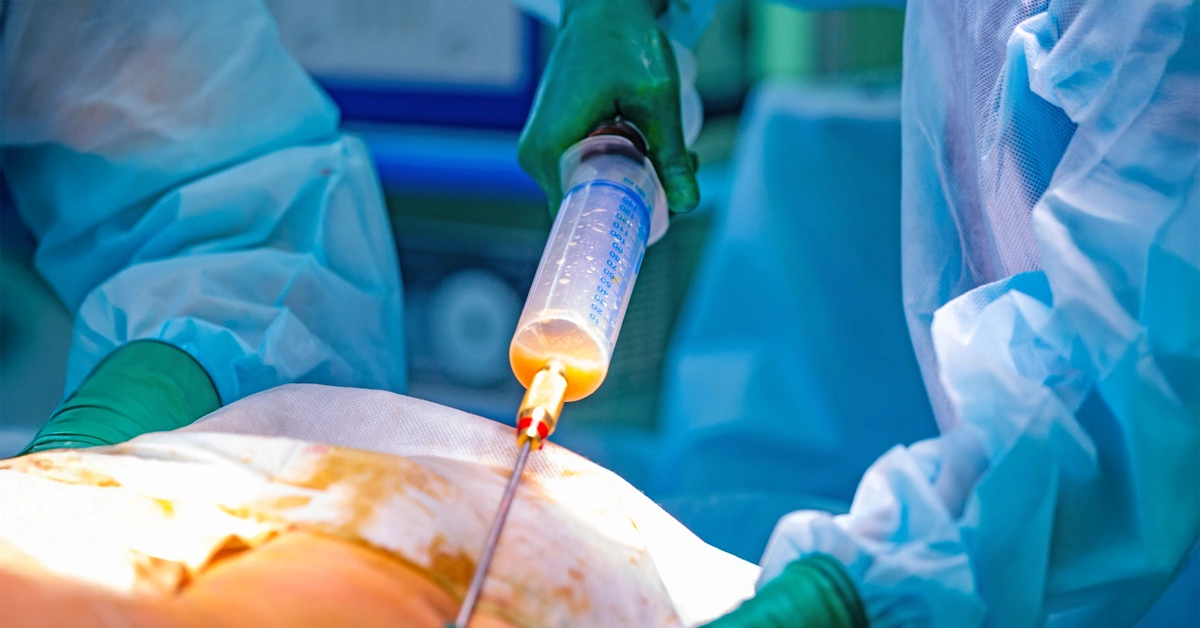
One of the most common questions patients ask before a liposuction consultation is how much fat can actually be removed during liposuction in a single procedure. The answer matters not just because patients want to understand what is achievable, but because the limits on fat removed during liposuction are not arbitrary restrictions. They are grounded in patient safety, physiology, and the clinical standards that govern elective surgical procedures. Understanding those limits is part of making an informed decision about body contouring.
Why There Is a Limit on Fat Removal During Liposuction
Liposuction is not simply a fat extraction procedure; it is a surgical intervention that produces significant physiological changes in the body. When fat is removed, fluid shifts occur across tissue compartments, blood volume changes, and inflammatory mediators are released. The more fat removed, the more pronounced these changes become. For patients considering liposuction in Kerala, understanding these physiological changes is an important part of making an informed decision about the procedure.
A severe clinical risk of large-volume fat removal is fluid imbalance. Liposuction involves injecting tumescent solution into the fat tissue and then removing the fat along with some of this fluid. Some fluid remains in the tissues and is gradually reabsorbed by the body. Intraoperative monitoring is therefore judiciously applied, and the amount of extraction is carefully controlled. Larger-volume procedures may require an inpatient setting for appropriate monitoring and postoperative care.
What the Guidelines Say on Safe Fat Removal
Large volume liposuction is defined by the American Society of Plastic Surgeons and most international accreditation bodies as the removal of more than five litres of total aspirate fat plus tumescent fluid combined. Procedures above this level require specific facility standards such as inpatient monitoring, higher level anaesthetic support and mandatory post operative observation.
This five litre threshold is not a target it is the upper boundary of what guidelines consider manageable in an outpatient setting for an otherwise healthy patient. The liposuction fat removal limit in practice is often considerably lower, because safety depends not only on total volume but on the patient’s body weight, cardiovascular health, renal function, and the specific areas being treated.
How Patient Factors Influence Maximum Fat Removal
The maximum fat removal is dictated in proportion to the body weight, not as a set volume to be used across the board. Heavier patients usually can tolerate larger volumes of aspirate than lighter patients because the physiologic effect of fluid shifts is proportional to body mass.
Most experienced surgeons use a body weight based calculation to determine the maximum safe aspirate for each patient during pre operative planning not during the procedure. Cardiovascular comorbidities, anaemia, or poor nutritional status may significantly reduce the individual limit below what body weight alone would suggest.
Skin surface area being treated also influences the safe limit. Treating multiple large areas simultaneously abdomen, flanks, thighs, and back in a single session increases the cumulative physiological impact, even when each area seems modest. For a better understanding of how different body areas can be addressed during liposuction, see our guide on Liposuction for Tummy, Flanks, Arms and Thighs: Procedure, Benefits and Recovery. The surgeon must consider the aggregate effect across all zones rather than treating each in isolation.
The Difference Between Volume Removed and Quality of Result
A common misconception is that more fat removed equals a better result. This is not clinically accurate. Liposuction capacity the actual volume that produces the best aesthetic outcome is determined by what creates proportionate, harmonious contouring relative to the patient’s body structure, not by reaching the maximum permissible volume.
Removing fat beyond what creates balanced proportions increases the risk of surface irregularities, overcorrection, and visually disproportionate outcomes. Experienced surgeons routinely remove less than the permissible limit when doing so produces a more natural looking result. The goal is not to extract as much fat as possible it is to produce a contouring outcome that looks proportionate and matches what was planned.
The Risk of Exceeding Safe Limits
The clinical effects of exceeding safe fat removal surgery limits are well known. Fat volumes in excess of guideline thresholds carry a markedly increased risk of hematoma, seroma, fat embolus, fluid imbalance, pulmonary complications, hypothermia and prolonged anaesthetic exposure. In India, the regulatory bodies (eg Medical Council of India) follow international standards that large volume liposuction requires specialist surgical and anaesthetic expertise.
Expert Insight
At Medlounges, the amount of fat removed during liposuction is a clinical decision and not a patient request. Pre operative assessment determines what is safe, what will give the best contouring result, and how to structure the procedure across treatment areas. Patients who come in to get the most out of their extraction are told honestly that taking out a proportionate amount in a planned fashion is always better than trying to get the maximum volume.
Conclusion
The clinical assessment answers how much fat can actually be removed during liposuction safely is not a fixed number. In the normal outpatient situation, the standard guidelines recommend a limit of five litres of total aspirate. The individual patient factors determine what an acceptable amount below this limit is.
Understanding the liposuction fat removal limit and why it exists helps patients approach their consultation with realistic expectations and the right questions. Safe liposuction is not about maximising volume it is about achieving the best possible contouring outcome within a framework that prioritises patient safety above all other considerations.
The First Step to Your Consultation
A consultation is not just an appointment. It’s an opportunity to find out what amount of fat removal is safely achievable for your specific anatomy, how the procedure would be mapped out, and what contouring result is realistically achievable.
Ready to take the first step? Book your Consultation at Medlounges, Kochi / Thiruvalla Now.
Medical Disclaimer: This article is solely for educational purposes and is not a substitute for professional medical advice. Readers should consult a qualified cosmetic physician or plastic surgeon before having any liposuction or body contouring procedure.
Frequently Asked Questions
How Much Fat Can Be Removed During Liposuction?
Guidelines cap safe outpatient liposuction at 5 liters of total aspirate (fat plus tumescent fluid combined). Going beyond this requires inpatient monitoring and specialized anesthetic support. The actual safe limit for each patient depends on body weight, health, and treatment areas.
- 5 liters is the upper boundary, not a target, for outpatient procedures
- Larger volumes need hospital-level monitoring and postoperative observation
- Body weight is used to calculate each patient’s individual safe maximum
Why Is There a Limit on How Much Fat Can Be Removed?
Removing fat triggers fluid shifts, blood volume changes, and inflammatory responses in the body. The more fat removed, the more pronounced these physiological changes become. Careful intraoperative monitoring keeps these risks controlled during the procedure.
- Tumescent fluid injected during liposuction is partly reabsorbed by the body afterward
- Fluid imbalance is one of the most serious risks of large-volume removal
- Intraoperative monitoring adjusts extraction limits in real time
Does Body Weight Affect How Much Fat Can Be Safely Removed?
Yes, heavier patients typically tolerate larger aspirate volumes than lighter patients because fluid shifts are proportional to body mass. Surgeons calculate a maximum safe volume for each patient during pre-operative planning. Health issues like cardiovascular disease or anemia can lower that limit further.
- Maximum fat removal is based on body weight, not a fixed number for everyone
- Cardiovascular problems or poor nutrition can reduce the individual safe limit
- Treating multiple large areas in one session increases cumulative physiological impact
Does Removing More Fat Give Better Liposuction Results?
No, removing more fat doesn’t automatically produce a better outcome. The goal is proportionate, natural-looking contouring based on the patient’s body structure, not reaching the maximum allowed volume. Surgeons often remove less than the permissible limit for a more balanced result.
- Overcorrection increases the risk of surface irregularities and disproportionate results
- Experienced surgeons prioritize harmonious contouring over maximum extraction
- The best outcome matches the planned result, not the highest possible volume
What Are the Risks of Exceeding Safe Fat Removal Limits?
Exceeding safe fat removal limits significantly raises the risk of hematoma, seroma, fat embolism, and fluid imbalance. Pulmonary complications, hypothermia, and prolonged anesthetic exposure are also more likely. Large-volume liposuction requires specialist surgical and anesthetic expertise to manage these risks.
- Fat embolism and fluid imbalance are among the most serious complications
- Large-volume procedures need specialist-level surgical and anesthetic support
- International and Indian regulatory bodies require specific standards for these cases