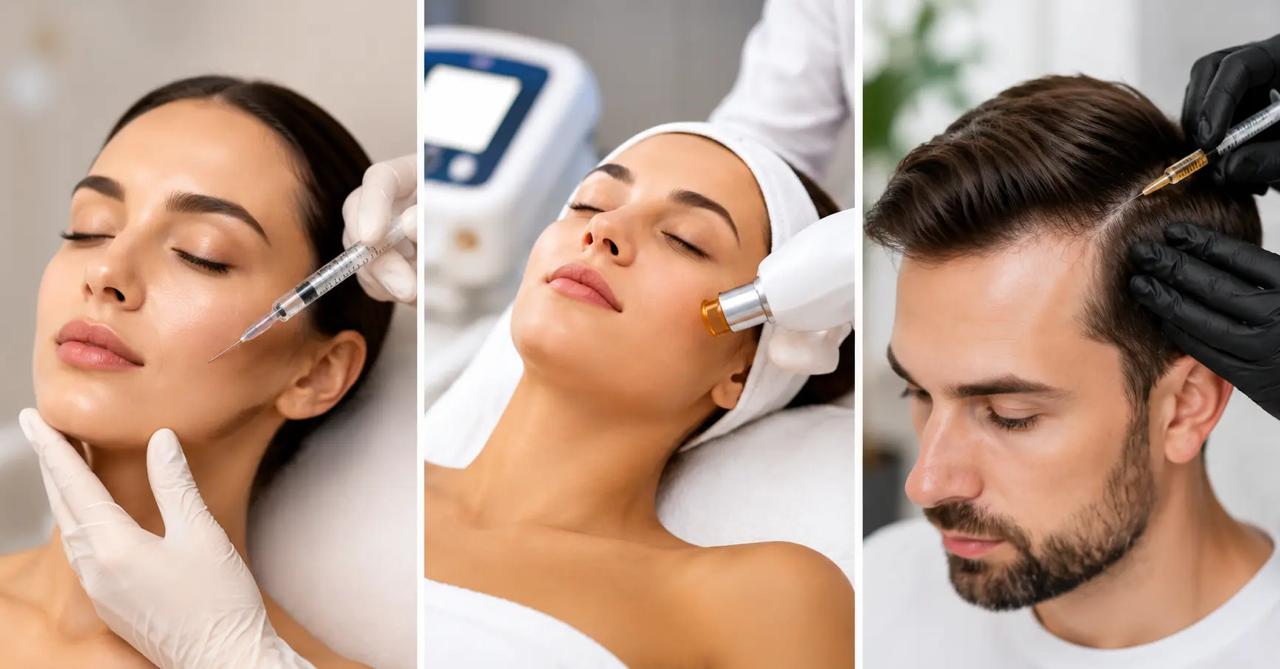
If you’ve been on social media at all recently, chances are you’ve seen before-and-after photographs, dermatologist reels or influencers casually dropping mentions like fillers, Botox or skin boosters as if everyone understands what they are.
But the reality for many people is very different. Injectable treatments are still one of the most misunderstood areas of aesthetic medicine, steeped in a cocktail of curiosity, misinformation and real concern about what the procedures actually involve.
Also Read: How Long Does Botox Last? Timeline, Results & Maintenance
The good news is you don’t need medical training to understand them. You only need honest, unambiguous information. By the end of this guide, you’ll understand what the different injectables accomplish, how doctors decide what to do, and what results to expect-and what to worry about.
What Injectable Treatments Actually Are?
So simply put, injectables cosmetic treatments are those where a certified cosmetic specialist injects a specific substance into the skin with a small needle or cannula.
Depending on the product and depth of placement, these compounds can:
-
- Relaxed hyperactive facial muscles
-
- Replace missing volume
-
- Moisturize the skin from within
-
- Stimulate the natural collagen production of the body
Their common benefits are no cuts, no general anaesthetic, no hospital stays. These are non-surgical, office based procedures that can be accommodated around most people’s normal work day.
The last two decades have seen dramatic changes in the field of cosmetic injectables. What originally meant Botox for forehead lines has become a far wider variety of therapies. A seasoned aesthetic dermatologist doesn’t offer a cookie-cutter answer to every worry. They evaluate each patient individually and select the appropriate product, placement and dose based on your face, your skin and your desired outcomes.
The Main Types — And What Each One Actually Does
Neuromodulators (Botox and similar)
Neuromodulators work by temporarily decreasing activity of certain facial muscles — the ones that cause expression lines like forehead creases, frown lines between the brows and crow’s feet.
Injecting a small amount directly into these muscles relaxes them and the skin above them smooths out. The effect develops over several days and typically lasts three to five months, after which muscle activity slowly returns.
Dermal Fillers
Fillers work on a totally different principle. Instead of impacting muscles, they actually add volume under the skin with substances like hyaluronic acid—a material that naturally occurs in the body.
Fillers are used to:
-
- Restore fullness that diminishes with age
-
- Define features like lips or the jawline
-
- Smooth deeper lines that are not caused by muscle movement
The results are instant and generally last from six months to two years, depending on the product, the area and the individual.
Skin Boosters
Skin boosters are an expanding category that aims to improve skin quality rather than change structure or volume. They deliver hydration, nutrients or growth factors directly into the skin.
The goal is better texture, deeper hydration, and gradually enhanced radiance — not a dramatic contour change. They tend to suit patients who feel their skin lacks glow or resilience but are not yet concerned about volume loss.
How Treatment Decisions Are Actually Made?
A positive outcome starts long before the first needle enters the room. A good cosmetic physician will spend a lot of the consultation simply observing – watching how the face moves, assessing skin elasticity, and knowing what’s truly important to the patient.
This is important because the same concern can have very different underlying causes. Two patients with similar lines around the mouth may need a completely different approach. One of the ways that injectable treatments produce results that look mismatched or unnatural is by applying a standard protocol without a proper assessment.
This assessment is not a rubber stamp. It is the most important part of the appointment.
Addressing the Fears Most People Have
The most common concern voiced by first-time patients is that they will look different – frozen, overdone or unlike themselves.
This fear is not unfounded. But it is good to know that aesthetic dermatology has decisively abandoned the maximalist approach that gave us those visible, unnatural results. Proportion, balance and natural movement are the clinical focus today – results that look refreshed, not treated.
That said, the quality of outcomes is directly tied to the skill of the practitioner. An experienced injector always strives for subtle improvement and will be honest with you if your expectations are not in line with what the treatment can realistically achieve.
What about pain?
Most injectable procedures involve mild discomfort – a brief stinging or pressure sensation. Serious pain is rare and topical anaesthetic or ice is routinely provided . Most appointments can last from fifteen minutes to forty-five minutes. Downtime is minimal, with slight redness or swelling at the injection site usually fading within a day or two.
Results, Maintenance, and Realistic Expectations
Injectable treatments are temporary — and that’s one of the reasons they’re good for so many people. Results that fall short of expectations tend to fade away over time. But to keep results does require some commitment.
What that generally looks like is:
-
- Neuromodulators need to be refreshed every three to five months
-
- Dermal fillers last anywhere between six months to two years depending on the area and product used
-
- Skin boosters usually require an initial series of 2-3 treatments, with occasional maintenance visits
Some results take time to appear, rather than being immediate. Skin boosters, for example, boost collagen, which takes weeks to build up. Neuromodulators take a matter of days to work their magic.
Knowing this timeline helps patients accurately evaluate results — and not draw conclusions too early and feel unnecessarily disappointed.
Safety, Professional Standards and Where to Go
Injectable treatments should only be performed by qualified professionals in a medically supervised environment. The face is complex anatomy and these procedures require technical training and sound clinical judgement.
If you are searching for injectables treatments in Kochi or injectables treatments Kerala then you should search for clinics that:
-
- Work under medical supervision
-
- Use only licensed & approved products
-
- Take a thorough assessment first approach before recommending anything
These are minimums, not exceptional clinical standards.
Conclusion
Aesthetic injectables are a well-established and evidence-based area of modern dermatology. These are not fads. These are not shortcuts. And these are not cookie cutter solutions.
When done with realistic expectations and by a qualified professional, they can produce really meaningful improvements — no surgery, no long recovery periods, and no sacrificing your natural expression.
The first step to making a confident, informed decision is understanding aesthetic dermatology and the range of options available. The next step is to talk to someone face-to-face who can look at your face and give you personalized, medically sound advice on what might actually help.
A worth-visiting injectables clinic in Kochi sure is Medlounges, they will never push you into treatment, never sell a package without knowing your concerns and will always be upfront about what a certain treatment can and cannot do.
The First Step to Your Consultation
A consultation is more than an appointment. It is a chance to understand your concerns properly, ask the questions you have been carrying, and receive a treatment plan genuinely built around you — not a standard package.
Ready to take that first step? Book your consultation at Medlounges, Kochi / Thiruvalla today.
Medical Disclaimer: This article is for informational purposes only and does not constitute medical advice. Readers should consult a qualified aesthetic physician before undergoing any cosmetic or aesthetic procedure
Frequently Asked Questions
What Are Injectable Treatments? A Complete Beginner's Guide
Injectable treatments are non-surgical procedures that use needles to deliver substances like fillers, neurotoxins, or vitamins under the skin. They’re used to reduce wrinkles, add volume, or improve skin texture without surgery. Most treatments take 15-30 minutes with little to no downtime.
- Common types include Botox (wrinkle relaxers), dermal fillers, and skin boosters
- Results typically last 3-18 months depending on the treatment type
- Numbing cream is often applied beforehand to reduce discomfort during injection
What Are the Main Types of Injectable Treatments?
The three main types are neurotoxins, dermal fillers, and biostimulators. Neurotoxins like Botox relax muscles to smooth wrinkles, while fillers add volume to areas like lips or cheeks. Biostimulators trigger the skin’s own collagen production over time.
- Neurotoxins (Botox, Dysport) target dynamic wrinkles from muscle movement
- Fillers (hyaluronic acid based) restore volume in cheeks, lips, and under-eyes
- Biostimulators (Sculptra, Radiesse) rebuild collagen gradually over several months
Are Injectable Treatments Safe for Beginners?
Yes, injectable treatments are generally safe when performed by a licensed, experienced provider. Most side effects are mild, like temporary swelling or bruising at the injection site. Serious complications are rare but more likely with unqualified practitioners or unregulated products.
- Always confirm the provider is licensed and uses FDA-approved products
- Common mild side effects include redness, swelling, and bruising for 1-3 days
- Avoid blood thinners and alcohol for 24-48 hours before treatment to reduce bruising
Do Injectable Treatments Hurt?
Most people feel only mild discomfort, often described as a quick pinch or pressure. Numbing cream or ice is commonly used beforehand to minimize pain. Some areas, like lips, tend to be more sensitive than others, such as the forehead.
- Fine needles or cannulas are used to reduce pain during injection
- Lip and under-eye areas are typically more sensitive than cheeks or forehead
- Discomfort usually fades within minutes after the injection is complete
How Much Do Injectable Treatments Cost for Beginners?
Costs vary widely, with Botox averaging $10-15 per unit and fillers ranging from $600-900 per syringe. Total price depends on the treatment type, area size, and provider experience. Many clinics offer package deals or membership pricing for repeat treatments.
- Botox for forehead lines typically needs 15-20 units per session
- One syringe of filler usually treats one area, like lips or nasolabial folds
- Prices are often higher in major cities compared to smaller towns
How Long Do Injectable Treatment Results Last?
Results vary by treatment type, ranging from 3 months to over a year. Neurotoxins like Botox typically last 3-4 months, while fillers can last 6-18 months. Biostimulators build gradually and may last up to 2 years with maintenance.
- Botox results usually need touch-ups every 3-4 months to maintain effect
- Hyaluronic acid fillers break down naturally and are reversible if needed
- Metabolism, activity level, and product type all affect how long results last