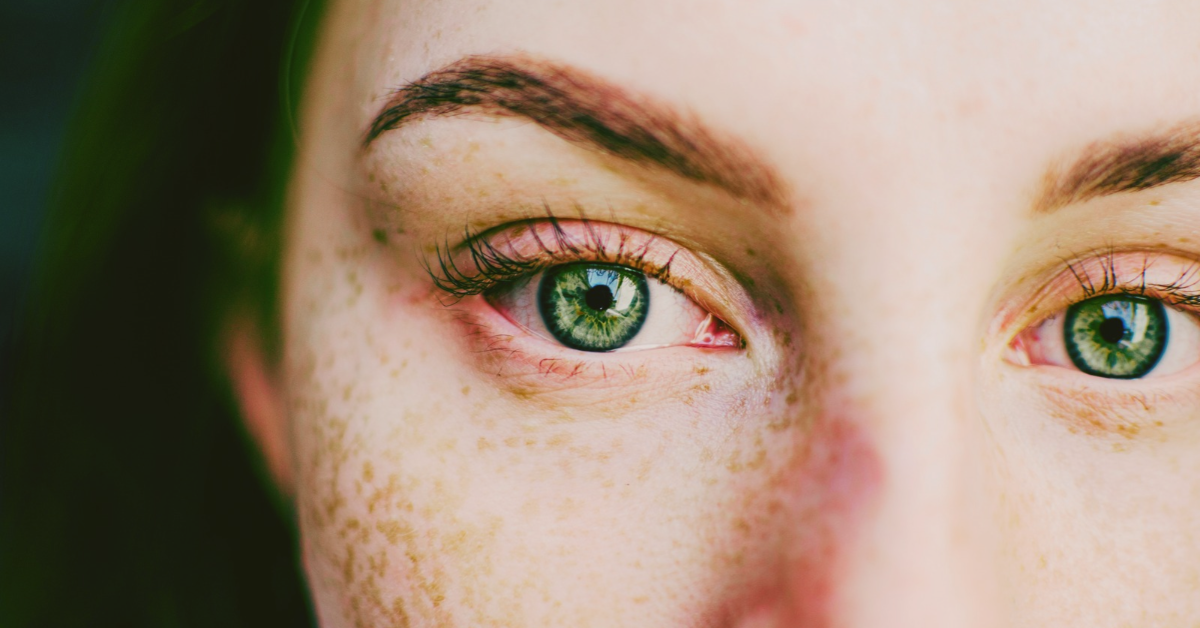
Regardless of gender, everyone cares about their appearance. Nowadays, even a small discoloration or dark spot on the face can affect most people’s confidence.
You might have tried multiple home remedies, face packs, and creams to get rid of this issue. But still, no results? Then, a chemical peel for hyperpigmentation may be a better choice. You might have heard about chemical peel treatment and may be confused about whether it will cause any side effects, whether it hurts, or how it is performed.
Here, in this article, you can find answers to these questions, which may be holding you back. As a reputed aesthetic hospital, Medlounges offers only 100% accurate information based on our past expertise to clear your misconceptions.
What Is a Chemical Peel and How Does It Help Hyperpigmentation?
Many of you believe a chemical peel for hyperpigmentation is kind of a face scrub. But that’s not the truth. Actually, it’s a controlled dermatological procedure where a specially formulated liquid containing skin-exfoliating acids like glycolic acid, lactic acid, mandelic acid, etc., is applied to remove dead skin cells from the surface of the skin.
The exfoliating solution will loosen the bonds between dead skin cells and encourage them to shed, allowing newer skin cells to come to the surface. Also, as the melanin concentration is high in the upper skin layers, shedding of this may make the complexion appear more even. This is also good for promoting the growth of new, healthier skin.
Now, we will answer the most commonly asked question. Is a chemical peel good or bad?
The truth is, a chemical peel is good for skin if performed by an experienced dermatologist. The dermatologist will analyse the skin condition and recommend the right peel. So, it’s highly recommended to choose the right formulation and treatment strength for better results.
Also, you should avoid or postpone chemical peel treatment if you have active skin infections, cold sores, open wounds, severely irritated skin, inflammatory skin conditions, or have undergone treatments recently that compromised the skin barrier.
Benefits of Chemical Peel Treatment are:
- Helps fade superficial dark spots and acne marks.
- Improves uneven skin tone.
- Removes accumulated dead skin cells.
- Smoothens rough skin texture.
- Can help manage acne-prone skin.
- Improves the appearance of dullness and some sun damage.
What Are The Different Types Of Chemical Peels?
Earlier, I mentioned that a chemical peel is good for skin only with the right formulation and treatment strength. Based on this fact, chemical peel treatments are categorised. The commonly recommended types of chemical peels are listed below.
Glycolic Acid Peel:
The dermatologist uses an alpha-hydroxy acid (AHA) to exfoliate the skin. This chemical peel is suitable for improving dullness, fine lines, superficial pigmentation, sun damage and uneven texture.
Lactic Acid Peel:
This peel uses a comparatively gentle alpha-hydroxy acid (AHA) that helps remove dead skin cells. Suitable for improving hydration, mild pigmentation, and skin texture.
Mandelic Acid Peel:
Uses a relatively gentle AHA peel containing larger molecules that penetrate more gradually. This treatment is suggested for selected patients with sensitive or acne-prone skin
Salicylic Acid Peel:
A beta-hydroxy acid (BHA) is used for penetrating oily pores and is ideal for managing acne and associated pigmentation.
Jessner’s Peel:
This is a traditional formulation that contains a combination of salicylic acid, lactic acid, and resorcinol. Used for treating selected concerns involving acne, uneven tone and superficial pigmentation.
TCA Peel:
Ideal chemical peel for pigmentation, sun damage, fine lines, and selected acne scars.
Phenol Peel:
This is a deep chemical peel performed after careful medical assessment and monitoring. Used for treating severe wrinkles and advanced photoaging.
We can also categorize chemical peel into 3 types based on their depth of penetration and they are:
Superficial Chemical Peels:
This is the mildest type of chemical peel applied on the outermost layer of the skin for mild acne, dullness, uneven skin tone, and superficial pigmentation. The common peeling agents used are glycolic acid (AHA), lactic acid (AHA), mandelic acid (AHA), salicylic acid (BHA), low-concentration TCA. Depending on the peel, the recovery time will be 1-7 days.
Medium-Depth Chemical Peels:
Medium-depth peels penetrates through the outer layers and reaches the upper layers of the dermis. The Trichloroacetic acid (TCA 20–35%), jessner’s solution (often combined with TCA), and glycolic acid in higher concentrations. This type of chemical peel is ideal for moderate pigmentation, sun-damaged skin, fine lines, and selected acne scars. The recovery time will be approximately 7–14 days.
Deep Chemical Peels:
This type of peel penetrates to deeper layers and produce more significant skin resurfacing. The peeling agent used is commonly phenol. Commonly used for reducing deep wrinkles, improving severe sun damage, treating certain types of deep pigmentation, and improving pronounced skin ageing. Deep chemical peels can be risky, if not performed under specialist medical supervision, as they can cause scarring, infection, pigment changes, and systemic complications. Also, the recovery will take approximately 2–3 weeks or longer.
This article has covered most of the aspects of chemical peel for hyperpigmentation. Next, if you requires details of chemical peeling treatment cost, it is better suggested to consult with a dermatologist. Because, the treatment cost depends on the formulation, peel depth, number of sessions and the assessment required before treatment.
At Medlounges, we offer the best chemical peel treatments tailored to your skin condition and pigmentation concerns. Our experts carefully evaluate your skin to recommend the most suitable treatment for safe and effective results.